

A furniture distributor product range should give dealers a reason to choose your collection—and a practical way to keep selling it. A list of attractive models is not enough when competing outlets offer similar products, sales teams cannot explain the differences and popular variants disappear between orders.
THE DISTRIBUTOR DECISION
Build a recognisable family with a few meaningful choices, document how each channel may sell it, and keep the core range available through disciplined replenishment. The goal is repeat dealer orders with a defensible margin, not the largest possible catalogue.
1. Define Why a Dealer Should Carry Your Range
Begin with a gap in the market you serve. Perhaps dealers need a coordinated dining family above an entry-level offer, a distinctive finish story, or a narrower selection that is easier to display and replenish. Define the intended shopper, price position and dealer selling argument before adding models.
The proposition should survive a side-by-side comparison. If the only difference is a lower price, margin remains exposed whenever another supplier discounts. Differences in proportion, table-and-chair coordination, an appropriate finish palette or supporting sales assets can make the choice easier to explain.
2. Build a Collection, Then Control the Variants
| Range layer | Commercial purpose |
|---|---|
| Core models | Recognisable products that dealers can display consistently and reorder with confidence. Give these priority in demand reviews. |
| Controlled variations | A limited choice of sizes or finishes addressing real customer needs. Each variation needs a clear code and a reason to exist. |
| Signature options | Selected developments that distinguish the range. Confirm feasibility, ownership, availability and commercial terms before promoting them as exclusive. |
| Trial introductions | New ideas tested with selected dealers before committing to broad stock. Define what sales evidence would justify a wider launch. |
Every additional finish divides demand across more SKUs. That can increase the cash required to keep the range available even when total sales stay unchanged. Keep display choice and stock depth separate: some options may be made to order while a smaller core supports routine replenishment.
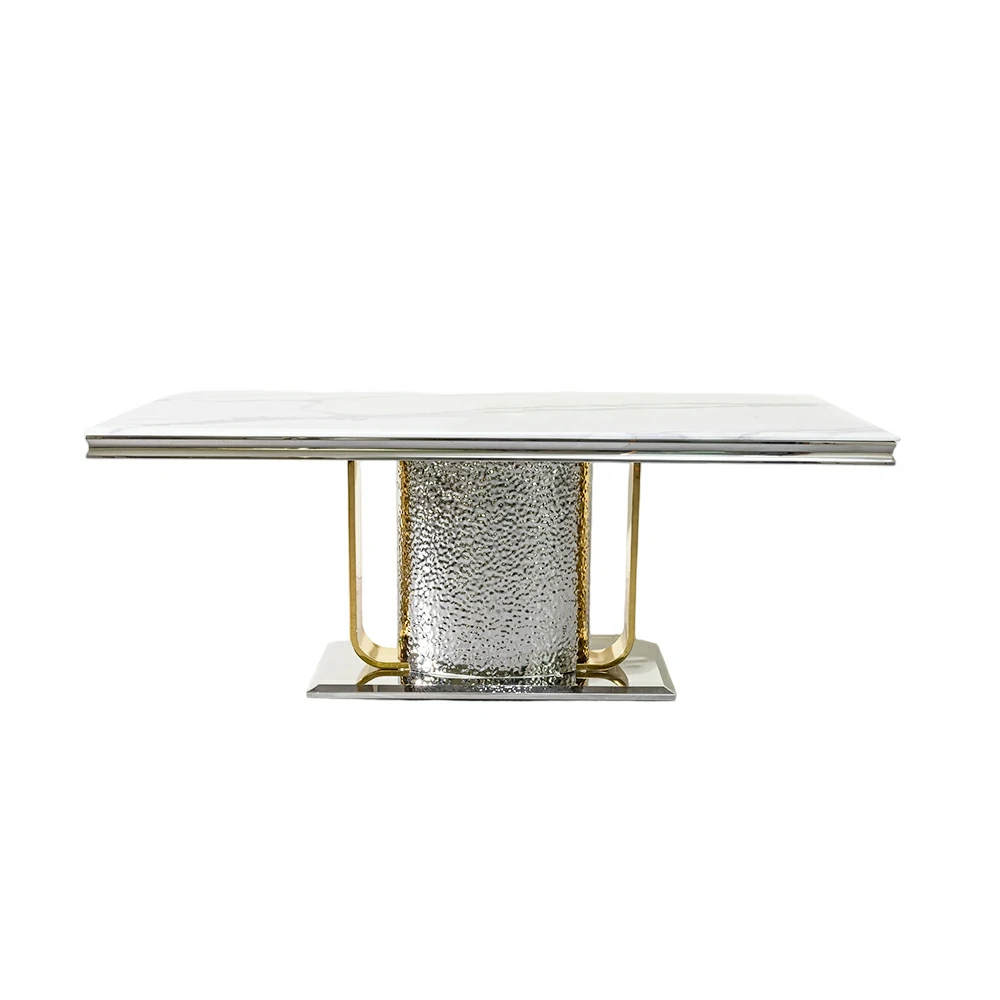
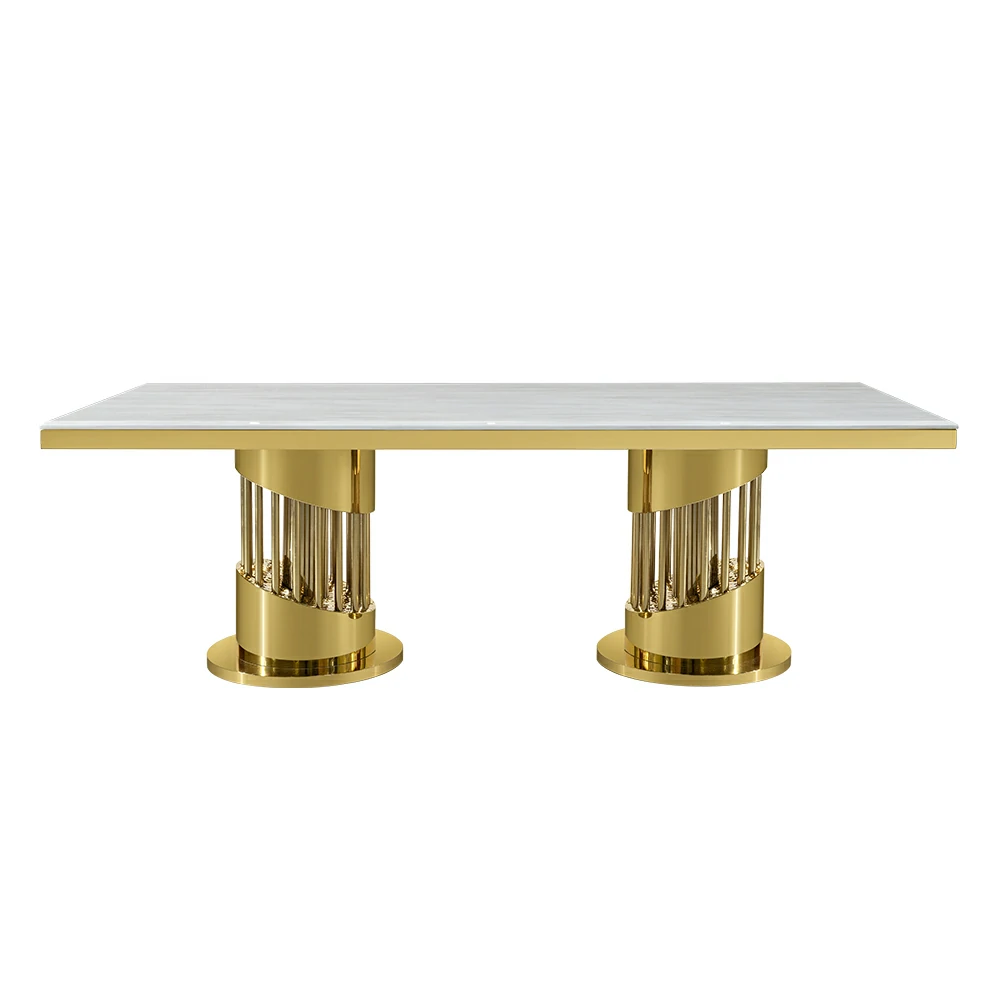
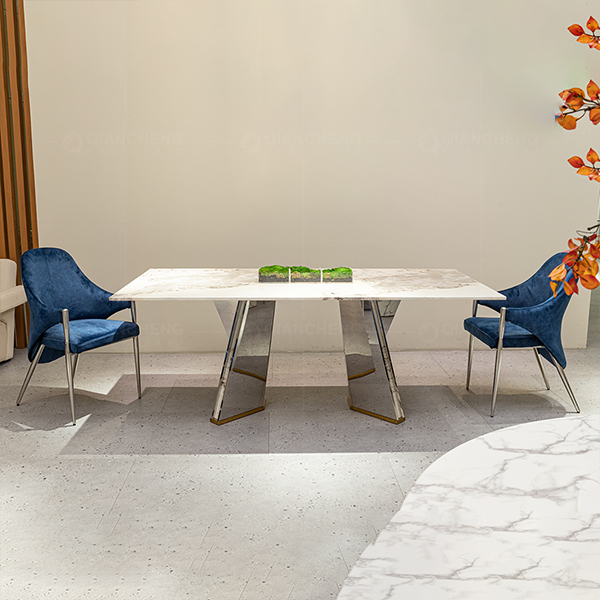
For a concrete development reference, Qiancheng table 2316 lists finish choices and OEM/ODM service. A distributor could use that model as the starting point for a collection brief, then ask which dimensions, finishes or coordinated pieces are feasible. This is an example of a development route—not a claim that an exclusive range or matching suite already exists.
3. Agree Channel Rules Before Dealers Invest
A dealer is less likely to support a collection if the same specification appears elsewhere with confusing names or conflicting service promises. Prepare a written channel brief covering territories, online and showroom channels, model naming, image usage, enquiry ownership and the process for resolving overlap.
Do not assume that customisation automatically creates exclusivity. If exclusivity is required, discuss the exact models, territory, channels, term, purchase commitments and exceptions. Any agreement must be confirmed by both parties; Qiancheng’s catalogue does not by itself grant protected territory.
Keep price communication clear without substituting a generic policy for local advice. The practical objective is consistent product information and responsibilities across the network. Dealers should know what they can order, how to identify it and who will support the customer after a sale.
4. Make the Range Reorderable, Not Just Launchable
A successful launch can become a lost opportunity if repeat orders arrive in a changed finish or if dealers cannot tell which variants remain available. Keep a collection register linking dealer-facing names to factory model codes, agreed specifications, approved reference samples and version dates.
- Review demand by core SKU: use dealer sales and committed orders rather than giving every option the same stock depth.
- Separate stock from promises: show available quantities, confirmed incoming quantities and open enquiries as different figures.
- Agree change control: ask for notice before a specification, component or model changes, then decide whether to approve, replace or phase it out.
- Plan reorder triggers: compare expected demand over the agreed replenishment cycle with stock and confirmed incoming supply; allow for uncertainty and minimum order requirements.
- Manage the exit: decide how to support remaining dealer samples and service needs when a model is discontinued.
This discipline supports repeat sales and limits unnecessary discounting of orphaned variants. Review reorder frequency, core-range availability, slow stock and realised dealer margin together. A growing catalogue is not the same as a growing distribution business.
5. Use Qiancheng’s Development Services for a Defined Brief
Qiancheng’s OEM/ODM manufacturing overview describes work from drawings, specifications and product concepts. Its development process includes customer-based 3D design. These provide a starting point for discussing a coordinated range rather than sourcing unrelated items one at a time.
The published support offer also includes product photography and video. For a dealer launch, request the available assets for the approved collection and agree consistent names, dimensions and descriptions. Confirm the scope of any new development, sample work and repeat-order arrangement in the commercial proposal.
A useful development conversation connects the collection idea to its operating plan: which differences dealers can sell, which variants will be stocked, what must remain consistent and when replenishment should be reviewed.
6. Distributor Questions
How can my range differ without creating too many SKUs?
Choose a small number of differences customers recognise and organise them around a coherent design family. Test whether dealers can explain the benefit. Avoid adding colours or sizes that create stock obligations without a clear customer demand.
Does OEM or ODM mean I receive exclusive distribution rights?
No. Product development and channel rights are separate topics. Any exclusivity needs a specific written agreement covering the relevant products, territory, channels and conditions.
What information helps Qiancheng discuss a reorder plan?
Provide the core model list, dealer network, sales pattern, current stock and intended order cycle. This makes it possible to discuss practical quantities and continuity requirements; it does not create a blanket availability guarantee.
For an individual store’s floor plan and product mix, see the retail assortment guide. When a replenishment order is ready to ship, use the wholesale container cost guide for the shipment calculation.
Discuss a Collection Your Dealers Can Build Around
Share your market, channel structure and the gap in your current range. Ask Qiancheng to review candidate models, feasible customisation and a repeat-order plan together. Any territory or exclusivity proposal requires separate agreement.
- Country, territory and selling channels
- Number and type of dealers or outlets
- Existing range and gaps to fill
- Target price position and desired design differences
- Initial quantities and expected reorder pattern
- Branding or channel-protection terms to discuss
Send My Distributor Collection Brief →
Opens an email draft with the right questions already included. Prefer a web form? Use our contact form and start your message with Distributor Collection and Replenishment Brief.
Prepared by Qiancheng Furniture · Updated 22 October 2026. Linked product and service pages provide the reference details; the agreed quotation and approved order specification determine your supply terms.